
While You Were Sleeping
The Grace of Christmas That Does Not Wait for You to Get It Together
Christmas is a short season (although it seems like it keeps getting extended each year). And yet it carries such enormous weight and expectation for most people.
Because of its brevity, and because of where it sits on the calendar at the end of the year, it is something we try to extract everything we can out of.
Joy. Innocence. Imagination. Meaning. Wonder. Transcendence.
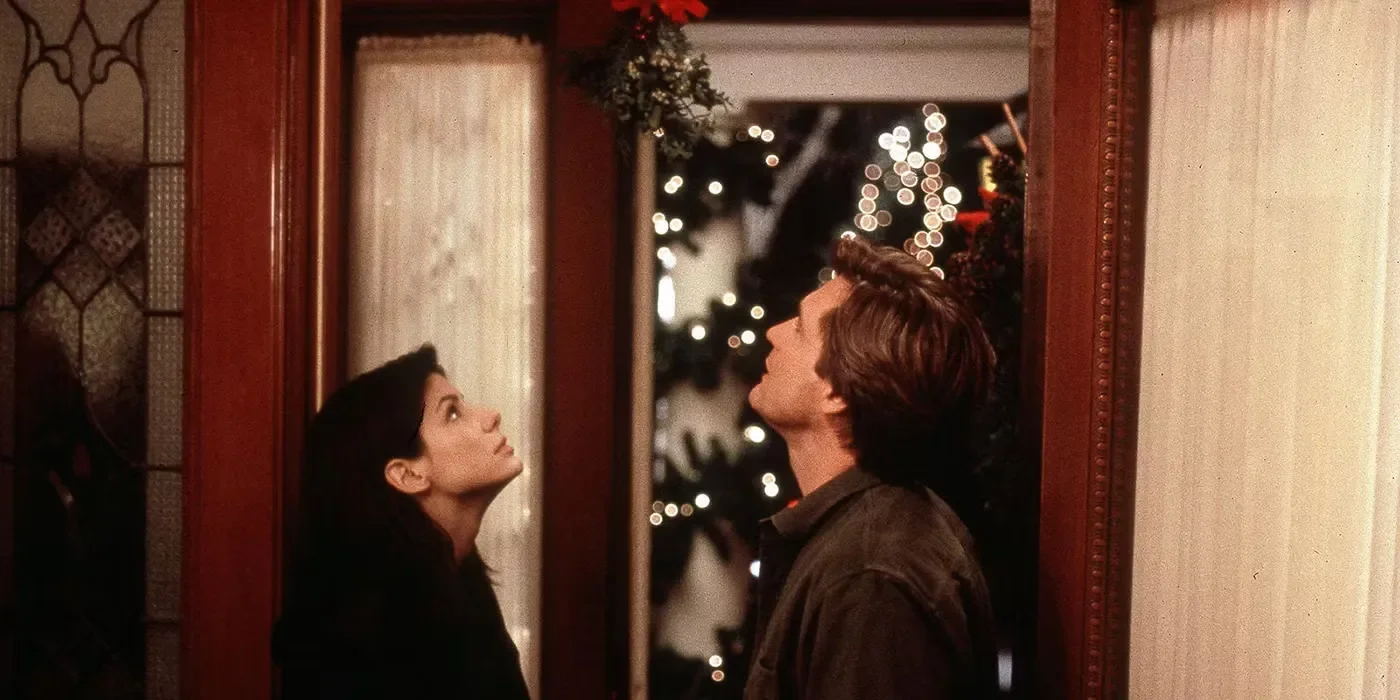
Most parents keep the legend of Santa going for their kids as long as possible, I think, because it feels like an attempt to preserve something. A sense of childlike wonder and joy that they may have lost for themselves. We want Christmas to give us what the rest of the year seems to have taken away. And so we constantly fill it to the brim.
We accumulate experiences, traditions, and feelings, hoping that if we gather enough of them in time, something inside us will finally come alive.
We tell ourselves we just need to be more present. More aware. More intentional. We feel like we have been asleep, and Christmas becomes the moment to snap awake.
To feel deeply. To remember what matters. To get it right before it is gone again.
And while the heart’s cry there is profound and good, the manner in which we attempt to meet those longings often ends up feeding our worst patterns of formation.
We approach Christmas the way we approach everything else.
Be productive. Be effective. Achieve.
Only now it is amplified, because there is so much emotional and spiritual weight at stake. We let most holidays go by without a second thought. St. Patrick’s Day becomes about beer and leprechauns. Valentine’s Day becomes about flowers and chocolates. Labor Day is about, well, ironically not laboring. Thanksgiving increasingly becomes about food and football and a nap.
I am not trying to make anyone feel bad here. I do this too. I have let smaller holidays like Memorial Day or Veterans Day, days meant to remember people who gave their lives for our country, pass without much thought. Even coming from a more Protestant, non-denominational tradition, we have lost much of the anticipation Easter once carried.
But Christmas is different.
No one seems to let Christmas simply pass by. We all feel the pressure to squeeze something out of this season. To extract some joy. Some meaning. Some sense of wonder.
We work hard to manufacture it. We tend to measure the meaningfulness of Christmas by how much we have experienced, attended, watched, bought, or remembered. I do this too. Take Christmas movies, for example. I don't feel like I have truly celebrated Christmas until I've watched both Home Alone movies, It’s a Wonderful Life, and The Polar Express. I have to make sure that I have done it all.
All of it is baptized in Christmas language. And yet, so often what gets exposed underneath is our worst patterns of striving and self-indulgence.
Paradox of Pursuing Joy
And the irony is painful.
The more we chase wonder this way, the more impossible it feels. The habits we use to try to wake ourselves up are the very habits that have been numbing us all along.
We want to experience some form of transcendence, but we pursue it through accumulation. We want rest, but we pursue it through effort. We want joy, but we demand it to pop into our lives the month of December right on schedule.
Christmas begins to feel like something we must survive or overcome instead of a gift we are meant to receive.
God Came While You Were Sleeping
And yet, the story of Christmas itself tells a very different truth.
Jesus did not arrive into a world that was ready. John the Baptist had not yet prepared the way. The religious leaders were not waiting. People were literally asleep. Rome had no idea. Israel was longing for a Messiah, but they were expecting a war-conquering king, not a baby born in obscurity.
Salvation did not come because humanity was paying attention. It came as an interruption, but an interruption that only a handful of people noticed.
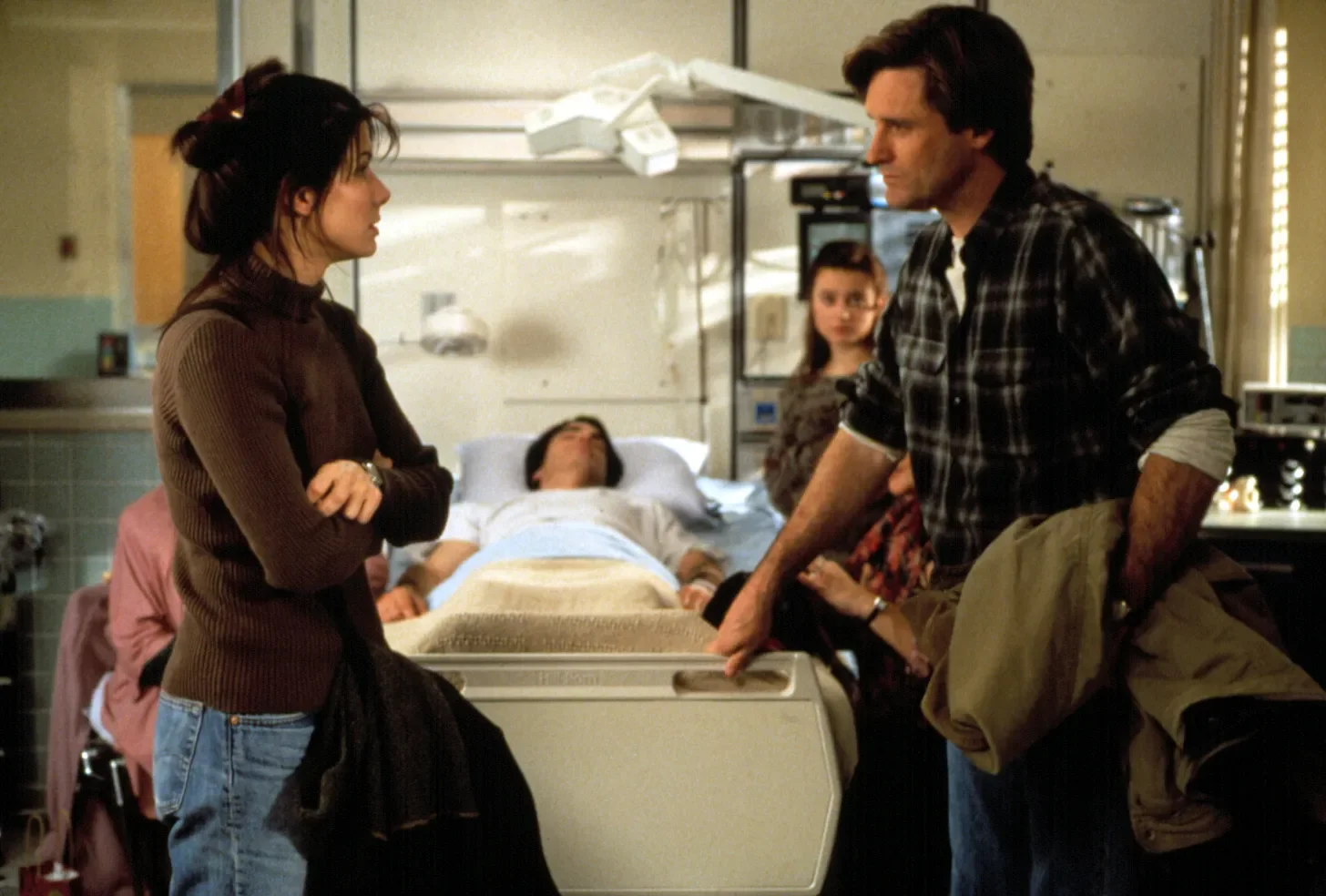
Just like in While You Were Sleeping, we expect the story to revolve around Peter, the man in the hospital bed, the one we think should be at the center. And yet it is Jack, the quiet, unassuming brother, who ultimately becomes the one to connect most deeply, the one who wins Lucy’s heart. In the same way, God’s arrival was not flashy or obvious. It came into the world quietly, humbly, and unexpectedly, changing everything without the fanfare we might have assumed was necessary.
John tells us plainly: “He came to His own, and His own did not receive Him” (John 1:11). And yet He came anyway.
This is perhaps the great irony of Christmas: we missed Him almost entirely the first time. And so, over time, the Church gave us Advent—not as a way to do better next time, but as a way to remember. To slow down. To behold. To become attuned again to the reality of God with us.
But even Advent can become something we try to manage. Another season to optimize. Another invitation we turn into effort. Most every year growing up we tried to do some sort of nightly Advent devotional. But inevitably we would get busy and miss a couple of nights. And then that was an extra burden. We were “behind” and we needed to “catch up” on our reading.
What if we reframed this call of Advent to remember and savor Jesus from a position of receiving instead of striving?
We as humans are so prone to take all of the goodness and beauty and remake it our own form. We make it feel like it is all on us to make Christmas go right. If we don’t savor, if we don’t squeeze all of the Christmas juice out of December, then it all feels like a failure.
We seem to have forgotten that Christmas the first time did not depend on us, so this one won’t either. The glory of Christmas is that in spite of our not figuring it out, the embodiment of love, grace, and joy descended and came to be among us anyway.
God Tabernacles Among Us
Christmas is not fragile because Christmas is not about us. It is about God becoming a human. Not God with some skin on. Not play acting as a man. No, a real human being with all the vulnerabilities and limitations that we experience.
John described this in beautiful poetic language: “The Word became flesh and dwelt among us” (John 1:14). Eugene Peterson translated this as “He moved into the neighborhood.” But the word John uses is even richer. Literally, it means that He tabernacled among us. God pitched His tent here.

Just as God once dwelled with Israel in the wilderness, present with them in the tabernacle, He now makes His dwelling with His people again. Only this time, something has changed.
When Jesus was crucified, “the curtain of the temple was torn in two, from top to bottom” (Matthew 27:51). The veil that once separated the Holy of Holies from the people was removed. God’s presence was no longer confined to a place.
Now we are told something astonishing: “Christ in you, the hope of glory” (Colossians 1:27).
Your heart has become the dwelling place of God.
This means that whether we feel spiritually alive and aware—seated with Christ in the heavenly realms, as Paul says, “raised up with Him and seated with Him in the heavenly places” (Ephesians 2:6)—or whether we find ourselves in the depths of despair, disoriented, numb, or overwhelmed, the truth remains the same.
“If I ascend to heaven, You are there. If I make my bed in the depths, You are there” (Psalm 139:8).
Grace Leads Us
Christmas tells us that God did not wait for us to wake ourselves up. He came into our world while we were unaware. He lived thirty years in obscurity. He walked among people who misunderstood Him, rejected Him, abandoned Him. Through it all, God was saving us. He did save us. He is saving us. And one day He will save us.
And He is still with us now.
The invitation of God’s grace is not an invitation to passivity. We live with intentionality. We live with awareness. We live awake. But we live from rest, not pressure. We live from grace, not performance.
If God calls us to repentance, He leads us there by grace. If He calls us to love, to share, to be alive to His kingdom, it is grace that empowers us. Every good work He has prepared for us, He will bring to completion—not through striving, but through our willingness to receive and follow.
Just as God used shepherds, Mary, Joseph, Zechariah—people who were confused, afraid, unprepared, and imperfect—He uses us. Not because we have it together. But because He is faithful.
He is that good!
Christmas is not telling us to try harder.
It is not asking us to feel more.
It is not demanding that we finally get it right.
It is reminding us that God has come.
That God is with us.
And that God dwells within us.
Not because we understand it.
Not because we sense it.
But because He is Emmanuel.
And He is that good.
Friends, as you move through this season, I hope you hear this clearly: Christmas is not about doing it all, feeling it all, or getting it right. It’s about Emmanuel—God with us. He came while we were sleeping, He dwells in our hearts now, and one day He will make all things new.
Let that truth sink in. Let it rest on you. Let it bring hope and joy that no amount of effort could ever manufacture. Receive it. Live in it. Let grace lead the way.
Merry Christmas. May you know the presence of God more deeply than ever this year.
With love,
John Will
